OUR Property
A Historic Estate Positioned for Long-Term Educational and Investment Value
The property stands on one of the most culturally significant art estates in the United States — the original home of the Tyler School of Art and Architecture, founded in 1935. This land, gifted by arts philanthropist and sculptor Stella Elkins Tyler, was envisioned as “an environment for the advancement of the fine arts and individual creativity.” Nearly a century later, that legacy continues to shape the identity and potential of the property.
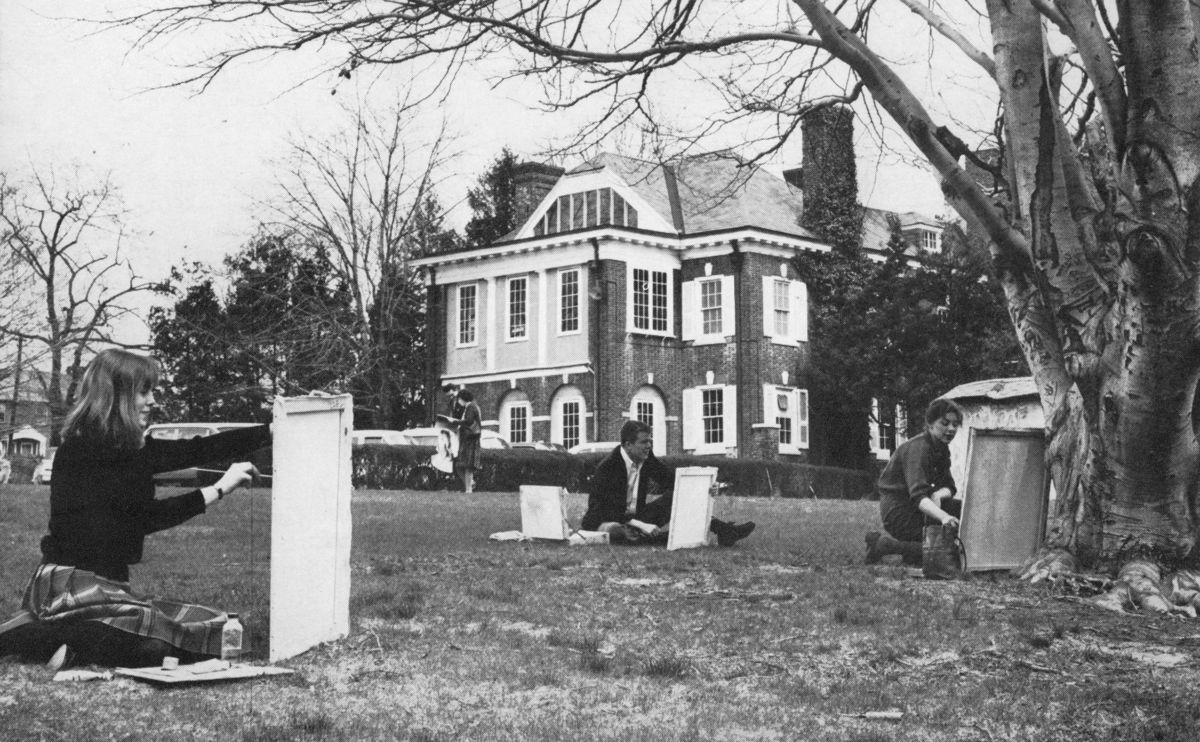
For decades, these 13.52 acres served as a national center for artistic innovation, sculptural training, design education, and cultural exchange. Under the leadership of Boris Blai — a student of Auguste Rodin — the Stella Elkins Tyler School of Fine Arts became one of America’s most forward-thinking art institutions. The property introduced new disciplines, fostered technical mastery, and offered a landscape where generations of artists and architects developed their craft.
Although the estate experienced a period of quiet after Tyler School of Art relocated in 2009, its foundational identity never disappeared. The buildings, studios, tree-lined paths, and courtyards still bear the unmistakable character of a place built for creativity, discipline, and learning — an environment exceptionally suited for today’s vocational, technical, and design-centered education models.

Today, this historic setting aligns directly with a strategic and financially sustainable redevelopment approach:
A Purposefully Controlled, Revenue-Aligned Property Model
The property is being reactivated through a controlled-access, trade-school-driven strategy designed for safety, stability, and predictable revenue. Scheduled and supervised uses ensure responsible occupancy while avoiding risks associated with full public access.
A Historic Asset With Strong Forward Value
When combined, the educational legacy, architectural significance, and controlled revenue model make this estate a uniquely secure and promising redevelopment opportunity.
The property offers:
- A nationally recognized artistic and cultural identity
- Eight buildings suited for phased restoration and program expansion
- Vocational programs that align with contemporary labor-market demand
- Diversified early-stage revenue streams to support financial stability
- A clear master plan for phased rehabilitation and long-term growth
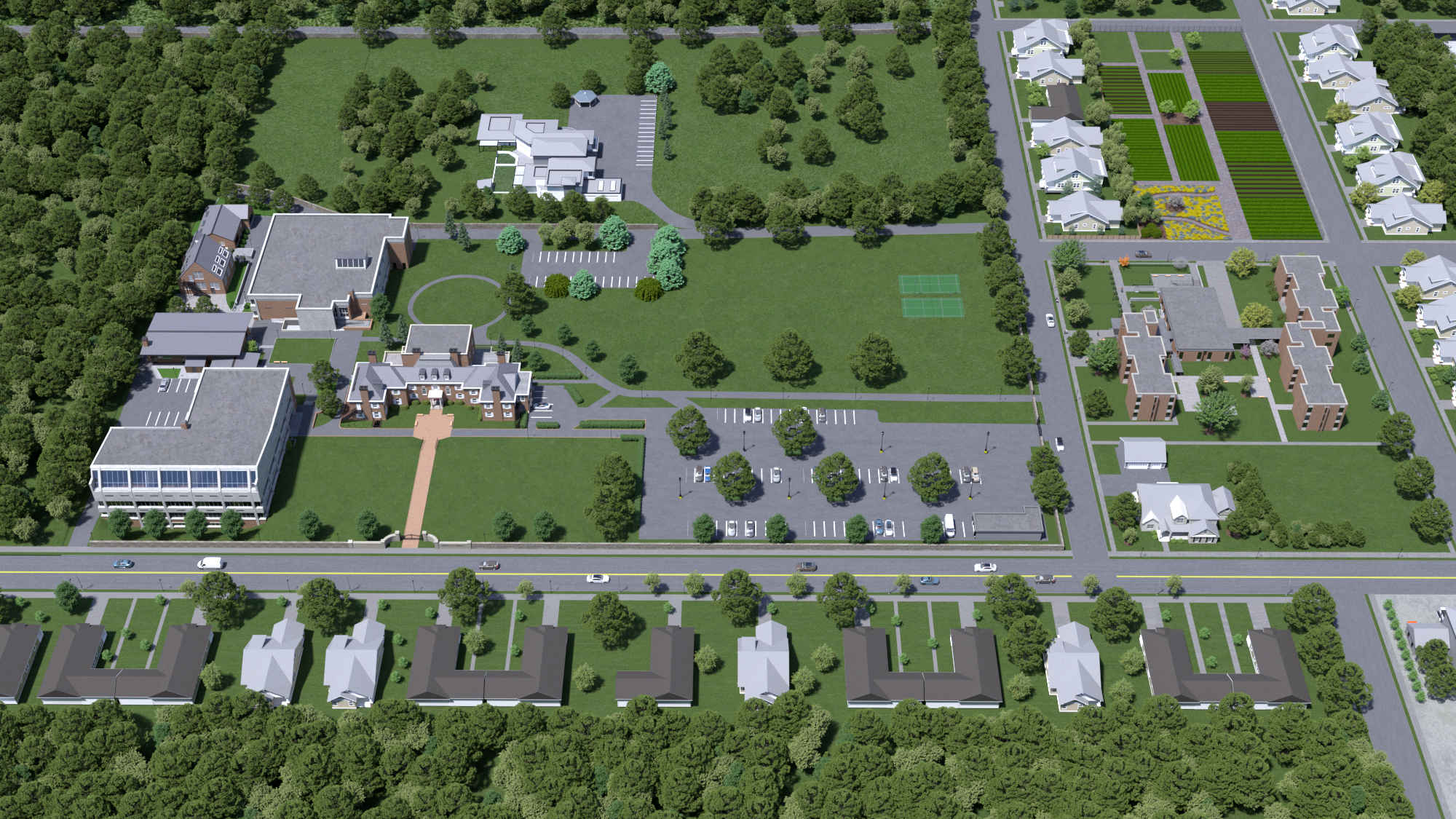
The Property is not simply returning to its historic home — it is restoring a landmark and strategically positioning it for modern educational use. With thoughtful investment and stewardship, this property will once again serve as a vibrant center of creativity, craftsmanship, and innovation for decades to come.